Use cases /

HMS · Healthcare

What Healthcare does, with agents.

HMS is a multi-tenant hospital and clinic operations platform: one tenant-scoped record carrying a patient from front-desk registration through OPD, admission, theatre, diagnostics, radiology, discharge and billing. These use cases show how Splenta's platform agents are designed to run the administrative and operational load around that record - scheduling, records routing, admissions, billing reconciliation - while clinicians keep every clinical decision. This is an early, pre-1.0 product; the agent runtime is described here as intended behaviour, not delivered results.

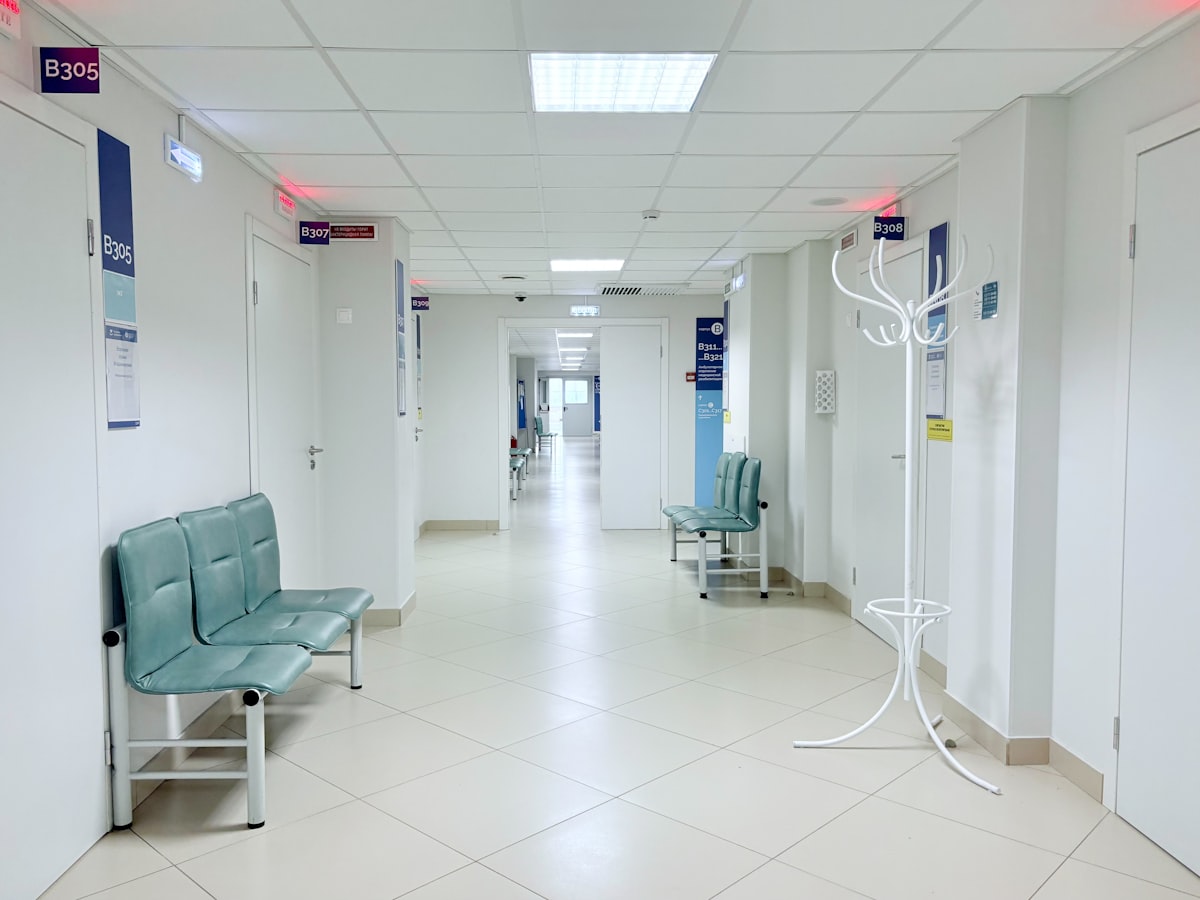
Bright, quiet hospital outpatient corridor with an empty waiting-area seating bench

Keep the OPD schedule and token queue moving without a coordinator babysitting it

Book against real doctor availability and let a human handle only the clashes.

The situation

Front-desk staff book OPD appointments against doctor availability and hand out queue tokens all day. No-shows, double-bookings and a consultant running late quietly cascade into a stalled waiting room.

How Arin helps

Arin is designed to watch the appointment book and live token queue for one tenant, slotting routine bookings against real availability and re-sequencing tokens when a session slips. When it hits something it cannot resolve on policy - an overbooked slot, a clash with theatre time, a patient who needs manual triage - it surfaces that as an exception for a human to decide rather than acting on it. Every booking or re-sequence it performs is scoped to the tenant and written to the audit trail. It schedules and routes; it never decides clinical priority for a patient.

What changes

Routine booking and queue upkeep are designed to run in the background, so front-desk staff spend their attention on the handful of genuine clashes. The full sequence of who moved and why stays reconstructable from the record.
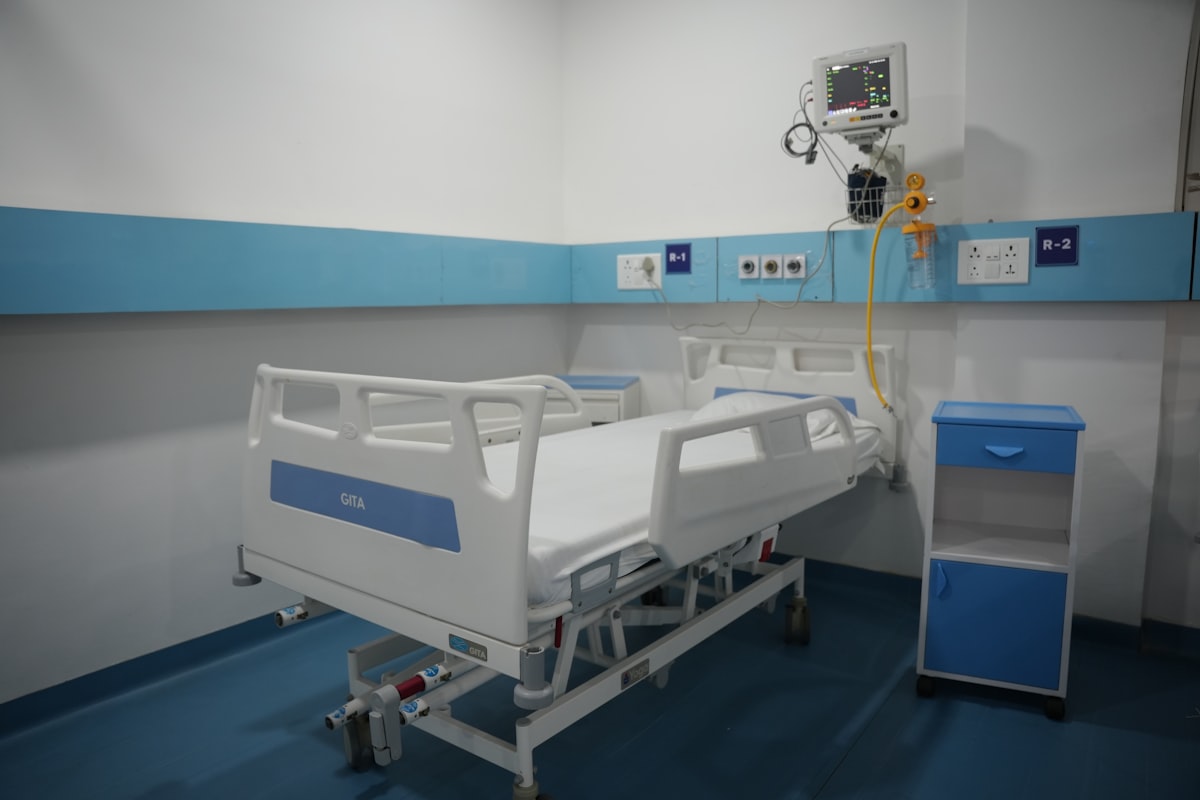
Tidy modern hospital ward with a freshly made empty bed

Turn the bed board into a decision queue instead of a phone-around

Match admissions to free beds and flag the bottlenecks a human must clear.

The situation

Admissions, discharges and ward transfers all compete for a fixed set of beds shown on the live status board. When occupancy tightens, finding a suitable open bed becomes a round of phone calls between wards.

How Arin helps

Arin is designed to read the live bed and occupancy board for the tenant and match pending admissions to appropriate free beds and bed types within the rules it is given. When no clean match exists - the ward is full, a bed needs a housekeeping turn, a transfer needs sign-off - it raises the blocker to a charge nurse or bed manager instead of forcing a placement. Assignments and transfers it makes are scoped per tenant and recorded so handover carries forward. It coordinates capacity; the ward team owns clinical suitability and the final call.

What changes

Bed placement is designed to arrive as a short, ranked decision queue rather than a scramble, with the reasoning visible on the status board. Occupancy pressure becomes something a human clears deliberately, not chases by phone.

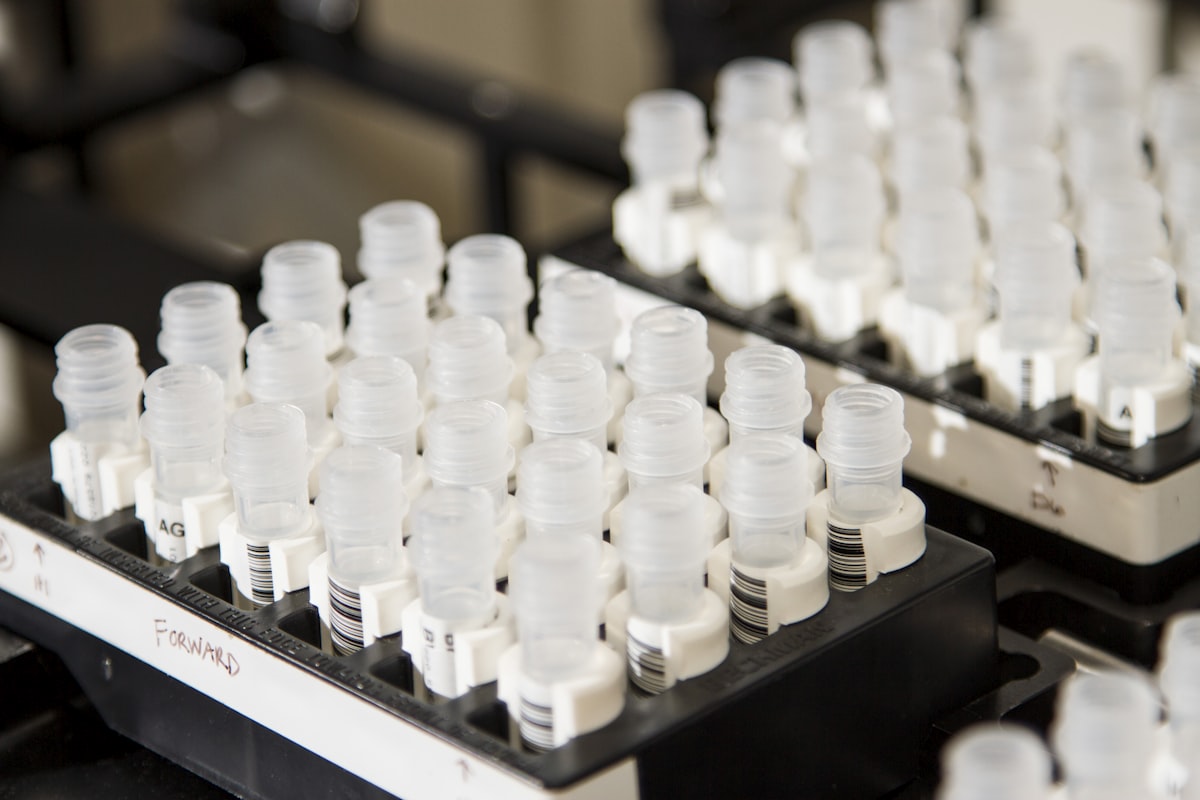
Rack of labelled sample tubes on a medical laboratory bench

Get lab and imaging results back onto the right chart, and chase the ones that stall

Route completed results to the encounter and flag what is overdue or missing.

The situation

Tests are ordered across OPD and inpatient care, results come back by parameter from the lab, and radiology studies land in the built-in viewer. Between order and result, individual investigations quietly go missing or sit uncollected.

How Arin helps

Arin is designed to track each ordered investigation for the tenant from request to result, routing completed lab parameters and radiology studies back to the correct patient encounter on the shared chart. It watches for orders that are overdue, unacknowledged or without a matching result, and surfaces those as follow-ups for the ordering team. It moves and reconciles records; it does not read, interpret or flag clinical findings - a clinician reviews every result and makes the call. All routing is tenant-scoped and logged.

What changes

Results are designed to land on the right chart promptly, with stalled or missing orders raised before they are forgotten. Clinicians open a complete encounter instead of hunting for a report across systems.

Administrative desk with a calculator, printed charts, notebook and laptop for billing reconciliation

Reconcile the encounter's charges before the bill goes out

Assemble OPD bills, room charges and bill items and flag mismatches for finance.

The situation

A single encounter accrues OPD bills, patient bills, itemised charges and room charges on the same tenant record. Charges that were never captured, or duplicated, are easy to miss until the bill is disputed.

How Arin helps

Arin is designed to assemble the billing-support view for an encounter - pulling together bill items, OPD and patient bills, and room charges as care is delivered - and to cross-check them for gaps and duplicates. Where a charge looks missing, doubled or inconsistent with what the record shows, it raises the discrepancy for billing staff to confirm rather than editing figures on its own. It stays inside billing-support: no claims adjudication, and the finance ledger remains a separate system of record. Every check and adjustment it proposes is tenant-scoped and auditable.

What changes

Bills are designed to reach a person already reconciled, with only the genuine discrepancies flagged for review. Finance staff correct fewer surprises after the fact and can trace how each figure was built.

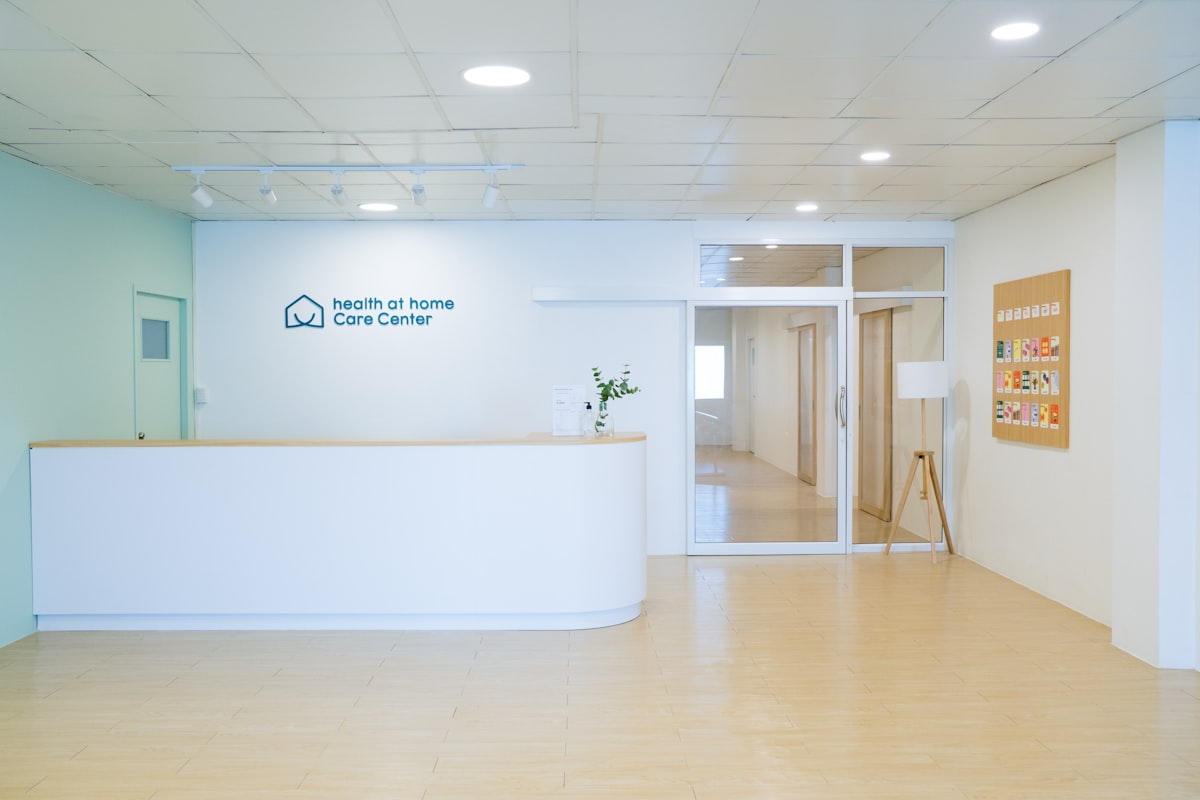
Clean, modern clinic reception desk in a bright, newly set up care-center lobby

Let an admin build a repeatable new-clinic setup in plain language

Turn a plain-language onboarding request into a confirmed, reusable setup flow.

The situation

Standing up a new site means the superadmin and tenant admin provision departments, staff, rooms, services and a subscription plan in a fixed order - the same sequence, repeated for every clinic in a chain.

How PECO helps

PECO is designed to let an admin describe an onboarding routine in plain language - for example, seeding a standard department list, room set and service catalogue for a new tenant - and turn it into a confirmed, repeatable workflow with its visual builder. Nothing runs until the admin reviews and approves each step, and the resulting automation is saved to run the same way for the next site. It operates on the admin and superadmin setup surface, within that user's role and tenant scope. It automates configuration, not clinical or financial policy.

What changes

Repetitive site setup is designed to become one reviewed, reusable flow instead of a manual checklist per clinic. An admin builds it once in words and reruns it as the chain grows.

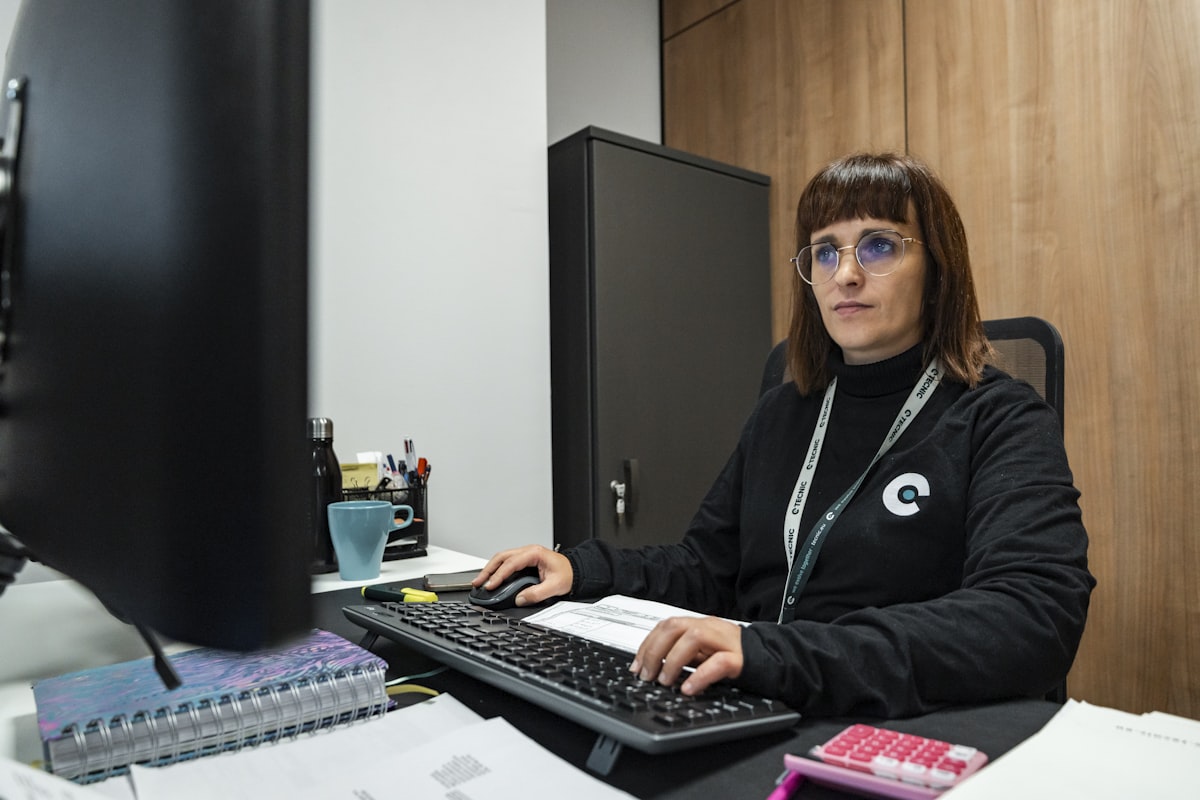
Hospital front-desk receptionist working at a computer at the reception counter

Give the front desk a trusted assistant that reads the live screen and acts within its role

Let an authorized AI assistant act inside the running app, scoped by role and tenant.

The situation

Front-desk staff move between patient lookup, registration, appointment booking and token issue across the live app. A helper that can act in-context - within exactly the permissions that user already holds - would cut the clicking without opening a side door.

How Semorel helps

Semorel is designed as a client-side SDK that lets a trusted AI assistant read the running app's semantics - what is on screen and which actions are available - and invoke only the operations the signed-in user is authorized to perform. In HMS that means an assistant that can help register a patient, find an existing record or book against availability while every call passes through the same role and tenant boundary the app already enforces. It cannot reach an action the user lacks, and it works with the platform's fail-closed integration boundary, so unwired domains stay unavailable rather than faked. Staff stay in control; the assistant only ever does authorized, in-app work.

What changes

The front desk is designed to get an assistant that acts inside the real app under real permissions, not a bolt-on with its own keys. Access stays governed by role and sealed by tenant, exactly as the underlying platform enforces.

See Healthcare run on your work.

These use cases are how Healthcare is designed to work with the Platform agents. Tell us about your operation and we will set up a look.