
Use cases /

RMS · Retail

What Retail does, with agents.

Retail (RMS) is a retail commerce system of record: marketplace storefront, merchant console and B2B buyer portal on one audited core, from quote to order, payment, fulfillment and returns. Its distinguishing bet is a native, scoped agent surface, so the same operations people run in the console can be run by a trusted agent, with every write recorded. These use cases show how the platform agents are designed to work that surface; the product is early, so treat them as illustrative, not delivered results.

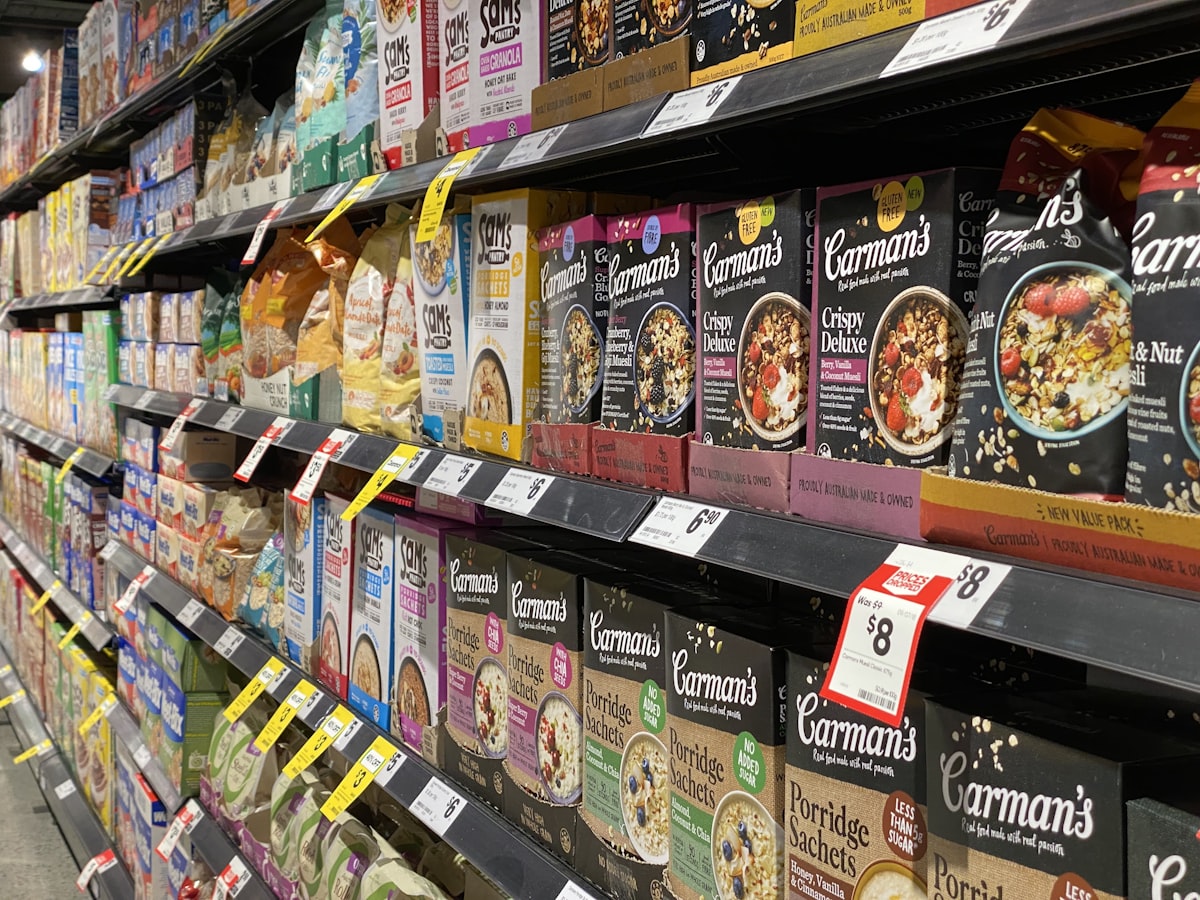
Well-stocked retail grocery shelves lined with neatly faced packaged goods

Keep shelves stocked without watching every SKU

Arin monitors stock against reorder points and drafts replenishment orders, surfacing only the judgment calls.

The situation

Retail owns replenishment as the system of record, with min, max, reorder point and safety stock per item. Watching hundreds of SKUs by hand means either overstocking or discovering a stockout after it costs a sale.

How Arin helps

Arin reads the same replenishment thresholds a merchant sees in the console and, when an item crosses its reorder point, prepares a replenishment order through a scoped action. Routine reorders that sit inside policy move straight through; anything unusual - a demand spike, an item near end of life, an order well above its usual quantity - is surfaced as an exception for a person to decide. Each action carries one scope and an idempotency key, and lands in the audit record.

What changes

Routine reordering runs continuously against the record instead of a spreadsheet. The merchant's attention goes to the handful of stocking decisions that actually need a human.


Two business professionals shaking hands over a deal in a bright office meeting room

Turn incoming quote requests into offers faster

Arin triages the quote inbox and drafts offers, escalating the ones that need a human.

The situation

B2B buyers submit quote requests that land in the merchant console inbox. The quote-to-offer path is single-shot - submitted then accepted, not a live bargaining loop - so each request still needs someone to price and respond before the buyer moves on.

How Arin helps

Arin picks up submitted quote requests and, using the buyer's applicable account price list and catalog, prepares an offer through the scoped quote and offer actions. Requests that fit standard pricing and authority are drafted for quick confirmation; those that need a pricing exception or fall outside policy are held and surfaced with the relevant context. Nothing is invented on the buyer's behalf - the offer reflects the durable pricing already on the record, and every step is written to audit.

What changes

Quote requests are worked as they arrive rather than piling up in an inbox. Sellers spend their time on the offers that genuinely need pricing judgment.

A brown cardboard shipping box with a blank white shipping label on a clean surface

Process returns against policy, consistently

Arin runs the returns lifecycle - inspection, restock and refund - against each merchant's policy and records every step.

The situation

Returns run a full lifecycle: inspection, restock and refund against a per-merchant return policy. Handled by hand, similar returns get inconsistent outcomes and the reasoning rarely makes it onto the record.

How Arin helps

Arin evaluates each return against the merchant's stated return policy and moves eligible ones through approval, restock and refund using a scoped returns action. Clear-cut returns inside policy are processed and recorded; edge cases - damaged goods, out-of-window requests, disputed items - are escalated to a person with the case detail attached. Because payments are simulated today, refund handling follows the same recorded path without moving real money.

What changes

Returns are resolved consistently against one written policy instead of case-by-case memory. The exceptions that need a human decision arrive already framed, with the routine work already done.

A business team seated around a wooden table reviewing notes together during a meeting

Route B2B purchases above authority to a recorded approval

Arin enforces account price lists and routes purchases above a member's authority into a recorded approval rather than an inbox.

The situation

Business accounts shop a catalog repriced for them through account price lists, and members hold different levels of purchasing authority. When a member's order exceeds their authority, the approval too often happens verbally or over email and never reaches the record.

How Arin helps

Arin applies the company's account price list at checkout and checks each member's order against their authority. Purchases within authority proceed; those above it are routed into a recorded approval and held until the right approver acts, rather than being waved through or lost in a thread. Membership, roles and pricing all come from the same audited commerce record, and the approval is captured there - not in someone's inbox.

What changes

B2B deals stay on the record, priced by the negotiated list and approved by the right person. The approval trail is durable and auditable instead of verbal.

A large yellow SALE sign in a shop window overlooking a busy street

Stand up a repeatable promotion without engineering

PECO turns a plain-language promotion request into a confirmed, repeatable checkout workflow.

The situation

Retail's discount and coupon engine evaluates and expires codes consistently at checkout. A merchant running a seasonal promotion still has to translate the intent - who qualifies, which codes, when it expires - into the right setup each time, and repeat it for the next campaign.

How PECO helps

A merchant describes the promotion in plain language - the eligible catalog, the coupon terms and the expiry window - and PECO drafts it as a visual workflow that maps onto the coupon and checkout operations. The merchant reviews and confirms each step before anything goes live, and the finished automation can be reused for the next campaign rather than rebuilt. PECO only wires up the operations the platform already exposes; it does not invent discounting behavior the engine cannot enforce.

What changes

Merchants stand up consistent, expiring promotions themselves without waiting on engineering. Each confirmed workflow becomes a repeatable template for future campaigns.

Overhead view of a retail checkout counter with a tablet point-of-sale screen as a customer pays by phone

Make the merchant console operable by a trusted agent

Semorel lets a trusted AI agent read the live merchant console and invoke only the authorized commerce actions on screen.

The situation

Day-to-day operations - catalog, the quote inbox, the fulfillment queue - live in the merchant console. Merchants increasingly want an assistant that can act on what is on screen, but only within what that user is actually allowed to do.

How Semorel helps

Semorel is a client-side SDK that exposes the console's semantics to a trusted agent, so the agent can read the current screen - an order, a fulfillment record, a catalog item - and invoke only the actions authorized for that session. Those actions map to the same scoped, idempotent operations the platform already enforces, so the agent can advance a shipment or edit a catalog entry without a separate integration. Nothing bypasses the record: every invocation carries its scope and is written to audit exactly as a console click would be.

What changes

An existing console screen becomes operable by an agent without bolting on a second system. The agent can only do what the signed-in user could, and every action it takes is recorded.

See Retail run on your work.

These use cases are how Retail is designed to work with the Platform agents. Tell us about your operation and we will set up a look.